


Blog
How to Protect Wood Furniture from Water and Sun Damage

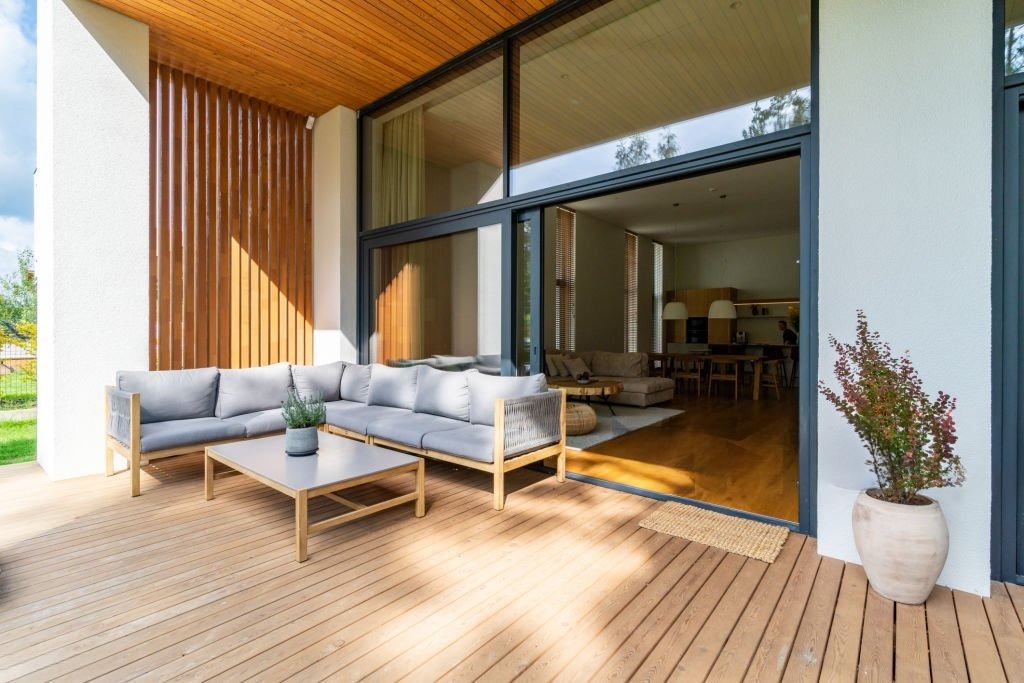
Wood furniture adds timeless beauty, warmth, and character to any home. However, exposure to elements such as water and sunlight can cause significant damage if left unchecked. Whether your wood furniture is placed indoors near a window or outside on a patio, understanding how to properly care for it is essential. In this comprehensive guide, we will explore effective strategies to protect your wood furniture from water and sun damage, ensuring it remains beautiful and functional for years to come.
Understanding the Threats
Before diving into protection techniques, it is important to understand how water and sun can impact wood furniture.
Water Damage
Water can be one of the most harmful elements for wood. When wood absorbs water, it can swell, warp, or rot. Additionally, water can cause discoloration and lead to the growth of mold and mildew. Even a small amount of moisture left on the surface for too long can leave permanent stains.
Sun Damage
Prolonged exposure to sunlight can lead to fading, drying, and cracking. Ultraviolet (UV) rays break down the chemical bonds in the wood, causing it to lose its natural color and structural integrity. Sun damage is particularly prevalent with outdoor furniture but can also affect indoor pieces placed near windows.
Steps to Protect Wood Furniture
Now that we understand the causes of damage, let us explore the best practices for protecting your wood furniture.
Keep Furniture Dry
- Wipe up spills immediately using a soft, dry cloth
- Avoid placing wood furniture in areas with high humidity
- Use coasters, placemats, and trays to prevent moisture rings and spills
For outdoor furniture, consider storing it in a covered area or using furniture covers during rainy seasons. Proper ventilation is also essential to avoid trapping moisture.
Use Protective Finishes
Applying a protective finish can create a barrier between the wood and harmful elements.
Types of Finishes
- Oil-Based Finishes: Penetrate the wood and enhance its natural beauty. Common oils include linseed oil and tung oil
- Varnish: Offers strong protection and is suitable for both indoor and outdoor use
- Polyurethane: Provides a durable, water-resistant surface and is ideal for high-traffic furniture
- Lacquer: Dries quickly and gives a glossy finish but is less durable than varnish or polyurethane
Reapply finishes as needed, typically every one to two years, depending on exposure levels and usage.
Shield from Sunlight
Protecting wood furniture from sun exposure is just as crucial as protecting it from water.
- Position indoor furniture away from direct sunlight when possible
- Use curtains, blinds, or UV-protective window films to reduce sun exposure
- Rotate furniture periodically to ensure even fading if complete sun avoidance is not possible
For outdoor furniture:
- Place furniture under a pergola, gazebo, or shaded area
- Use umbrellas or awnings to block direct sunlight
- Apply UV-protective finishes designed for outdoor use
Regular Cleaning and Maintenance
Routine maintenance can greatly extend the life of your wood furniture.
Cleaning Tips
- Dust regularly using a soft, dry microfiber cloth
- Use a mild soap solution for occasional deeper cleaning
- Avoid harsh chemicals or abrasive cleaning tools
Inspection
- Check for signs of water damage such as swelling or discoloration
- Look for cracks, fading, or peeling finishes due to sun exposure
- Tighten loose joints and repair small damages promptly
Use Furniture Covers
Furniture covers are especially useful for outdoor wood furniture. Choose breathable, water-resistant covers that fit well and allow for air circulation. Covers should be used during periods of non-use, particularly in harsh weather conditions.
Indoor Climate Control
Controlling the indoor climate can help preserve wood furniture.
- Maintain consistent humidity levels using a humidifier or dehumidifier
- Avoid placing wood furniture near heat sources like radiators or fireplaces
Wood expands and contracts with changes in temperature and humidity, which can lead to cracking or loosening of joints. A stable environment minimizes these risks.
Invest in Quality
Higher-quality wood furniture is often better equipped to withstand environmental stresses. Hardwoods such as teak, oak, and mahogany are more resistant to damage than softwoods. Additionally, pieces that are well-constructed with attention to detail are more likely to endure over time.
Seasonal Considerations
Adjust your care routine based on the seasons. During summer, focus on UV protection, while in winter, pay attention to indoor humidity levels.
- Summer: Increase shading, reapply UV finishes, and inspect for sun damage
- Winter: Use humidifiers and avoid placing furniture near heating vents
Eco-Friendly Tips
For those interested in sustainable living, there are environmentally friendly ways to protect wood furniture.
- Use natural oils instead of synthetic finishes
- Choose biodegradable cleaning products
- Repurpose old furniture rather than discarding it
Final Thoughts
Protecting wood furniture from water and sun damage requires a combination of prevention, maintenance, and smart placement. By taking the time to care for your furniture properly, you can enjoy its beauty and functionality for many years. Whether your pieces are cherished family heirlooms or newly purchased items, implementing these strategies will help preserve their value and charm. Remember, a little effort today can prevent costly repairs or replacements tomorrow. Treat your wood furniture with the care it deserves, and it will reward you with lasting style and strength.